
The value of Legacy Systems like AS400 in modern IT
Reliability, operating costs, and modernization through integrations explain why many companies still use them in Italy and worldwide.

Does it still make sense to invest in technologies considered “legacy”? To answer this question, it helps to take a step back and understand what the term really means. Legacy systems refer to technologies developed many years ago that still play an important role in business processes. These platforms were created in a different technological era, yet over time they have proven to possess a key characteristic for organizations: reliability. For this reason, many companies continue to rely on them for mission-critical applications while simultaneously introducing more modern tools to improve daily operations.
One of the best-known examples is IBM AS400, now evolved into the IBM i platform. Despite its origins dating back to the late 1980s, the system is still widely used in enterprise environments. Research from specialized companies such as Fortra indicates that more than 100,000 companies worldwide still use AS400 (IBM i) systems to manage processes such as ERP, accounting, logistics, and banking systems and Italy is fully part of this landscape. According to market intelligence data published by the Enlyft platform, about 5% of the companies using AS400 globally are located in Italy, placing the country fourth worldwide after the United States, Japan, and the United Kingdom.
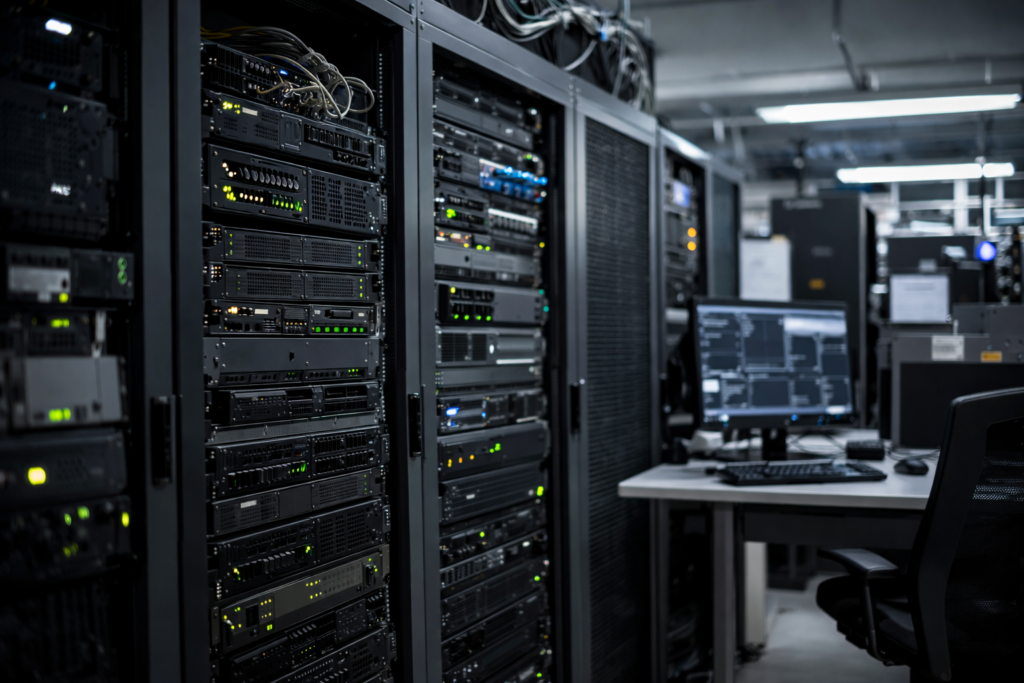
Does this mean that continuing to use legacy technologies is necessarily the wrong choice? Not always. When a platform continues to operate reliably and supports important business activities, it can remain a valuable part of the IT infrastructure.
To determine whether it is still worth maintaining a technology like AS400, it is useful to consider several factors related to how the system operates and its role within business processes:
Operational reliability – If the system continues to ensure stability, adequate response times, and operational continuity, it can still represent a solid foundation for the company’s infrastructure. Many legacy platforms were originally designed to deliver exactly this kind of resilience.
Operating costs – Another important factor is the total cost of ownership. When the infrastructure has already been amortized and requires only limited intervention to remain operational, maintenance costs can be significantly lower than those associated with a full migration to a new platform.
Role in core processes – Finally, it is important to evaluate how deeply the system is integrated into business processes. If it supports core functions such as ERP, accounting, or logistics management, a complete replacement could involve a long and complex project with significant impact on daily operations.
By choosing to maintain these systems, many organizations are looking for ways to enhance the value of their existing platforms while introducing more recent tools that improve service management and operational visibility. The goal is to allow established systems to continue performing their role while progressively connecting them to newer technologies capable of supporting companies’ digital needs.
Deepser is a service management platform that integrates seamlessly with IBM i AS400, bringing modern capabilities to operational management. System alerts and events can be automatically converted into tickets, while requests and reports are managed from a single platform. Workflows, priorities, and SLAs can be activated through defined rules, ensuring full traceability of activities and interventions—even when processes are triggered directly from AS400. To learn more, talk to our sales team.
Book a meeting>