Gamma chose Deepser to organize the requests directed to the ICT department, set priorities more clearly, and monitor the work carried out. Between 2024 and 2025, the average ticket-handling time dropped from 26 to 9 days, a 65% reduction. After being introduced in the IT area, the platform was extended to the technical offices, becoming a shared tool to coordinate internal activities and keep all information easily accessible.
The challenge
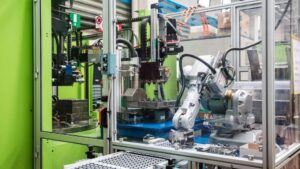
Gamma manufactures heating elements and insulating products, also handling in-house the production of the equipment needed for manufacturing.
The requests directed to the ICT department came in through different channels and often informally. This made it hard to set priorities, reconstruct the work done, and get a reliable picture of the workload.
For a team that provides support exclusively within the company, being able to track requests was also important to make the work done visible and understand which activities took more time.
Added to this was the need to manage IT assets, link services to devices, and keep track of the equipment on the network.
As the ICT team grew, having a shared history became even more useful. This way, anyone could check the status of activities and respond to users even when the colleague who had handled the request directly was unavailable.
Similar needs emerged in the technical offices, which had to collect the requests coming from production and the internal workshops, sorting them by priority.
The solution
After analyzing several solutions, Gamma chose Deepser because it offered a ready-made foundation for managing tickets and assets, while keeping a high level of configurability.
The platform was initially introduced in the ICT department. Users can open requests through the portal, while the team can assign priorities, record processing times, and keep communications, attachments, and activities within the same ticket.
Deepser is also used to inventory IT assets and link them to the users of the different plants. The Password Manager also lets the department centralize the many credentials needed to manage infrastructure and applications.
After the first results, the platform was extended to the heating-elements technical office. The requests coming from production are collected in a single flow and organized by urgency.
The insulating-products technical office later tried Deepser as well. After a few months of testing and a configuration developed around the department’s needs, the area decided to adopt the platform permanently.
From the earliest stages of adoption, the collaboration with the Deepser team was very productive. They built the solution together with me, asking me thoughtful questions and advising me on what to do and what to avoid, while leaving me the right amount of autonomy. Whenever I had doubts about the features or how to tackle a problem, I received prompt support. The answers were always precise, the interventions timely, and today I can say I am fully satisfied.
Paolo Bergamaschi, ICT Manager, Gamma S.p.A.
Results and impact
Deepser allowed Gamma to turn requests scattered across informal channels into tracked, easily consultable activities.
The ICT department can now see the work it receives, identify priorities, and quickly reconstruct what has been done. The shared history also makes collaboration easier and makes it possible to give users updates even when the main contact is unavailable.
The data collected offers a clearer view of the department’s operations. In 2024 the ICT team handled 768 tickets, while in 2025 it recorded 368, a 52% decrease also linked to the reduction in business activity.
Over the same period, the average handling time went from 26 to 9 days, a 65% reduction.
Extending it to the technical offices confirmed the platform’s ability to adapt to different needs. Deepser is no longer just an ICT tool, but a system used by several areas to organize internal requests and coordinate activities.
About Gamma
The company specializes in the production of heating elements and insulating products. It also handles in-house the production of the resistances and the design of the equipment needed to make them. Its operations take place across several plants located in the same area and are supported by technical departments and an internal ICT team.