Service Level Agreements (SLAs) are essential for ensuring the quality and reliability of services between providers and customers. An SLA is a formal document that outlines the expected performance and service levels a provider must deliver.
It sets clear expectations for both parties and defines what happens if these expectations aren’t met. The importance of defining SLAs lies in their ability to create transparency, ensuring everyone knows what to expect. They promote accountability by holding service providers responsible for their commitments.
Well-defined SLAs also allow for the measurability of performance, making it easy to track and improve service quality. Overall, SLAs are crucial for maintaining healthy, productive relationships between service providers and their clients.
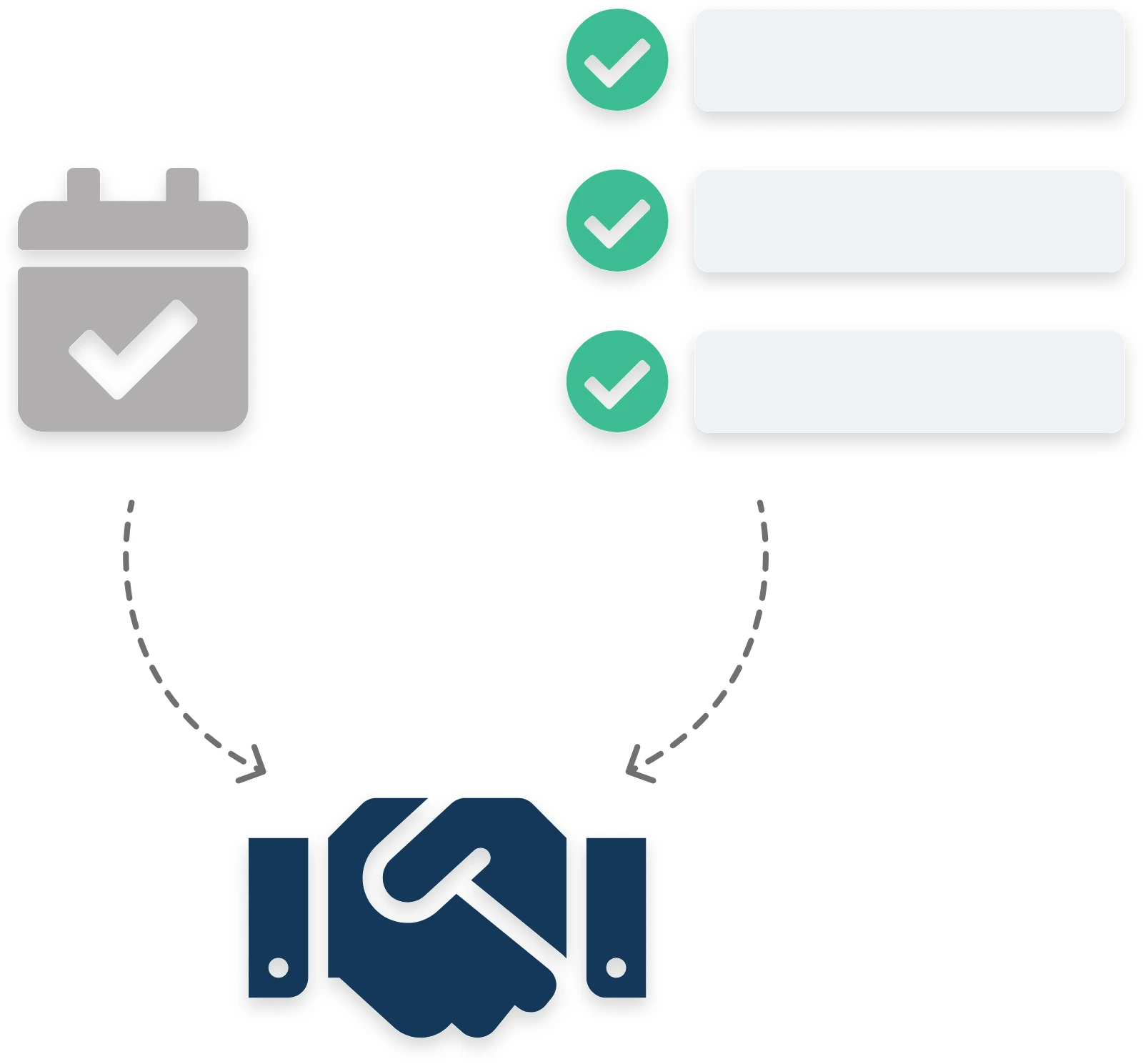
Anatomy of a Service Level Agreement
Creating an effective SLA involves several key components. A well-structured SLA serves as a roadmap for both the service provider and the client, ensuring that services are delivered as expected.
Key Components to Include in All SLAs
Service Descriptions: Clearly define the services that will be provided. This includes a detailed description of each service, its scope, and any limitations.
Service Levels: Specify the expected level of service, including performance standards and targets. This may include response times, resolution times, and availability levels.
Performance Metrics and KPIs: Identify the metrics and KPIs that will be used to measure service performance. These metrics should align with the client’s business objectives and provide a clear indication of service quality.
Responsibilities: Outline the responsibilities of both parties. This includes the obligations of the service provider and any responsibilities of the client that are necessary for service delivery.
Escalation Procedures: Define the process for escalating issues if service levels are not met. This ensures that issues are addressed promptly and effectively.
Recommendations for Clarity and Specificity
To ensure clarity and specificity, SLAs should include precise definitions of services and performance standards. It is important to avoid ambiguous language and clearly outline any conditions of exclusion. This reduces the risk of misunderstandings and ensures that both parties have a shared understanding of the SLA terms.
Importance of Periodic Review and Updating of SLAs
Service Level Agreements should be reviewed and updated regularly to ensure they remain relevant and aligned with the client’s needs. Changes in business requirements, technology, or market conditions may necessitate updates to the SLA. Regular reviews help ensure that the SLA continues to meet the client’s expectations and that service levels are maintained.
Escalation Procedures
Escalation procedures are a critical component of SLAs. They define the steps to be taken if service levels are not met. These procedures should include clear guidelines for notifying the appropriate parties, assigning responsibilities, and resolving issues. By having a well-defined escalation process, both parties can ensure that issues are addressed quickly and efficiently.
Service Level Agreement Best Practices
Creating an effective SLA requires careful planning and consideration. By following best practices, service providers can ensure that their SLAs are clear, comprehensive, and aligned with the client’s needs.
Definition of SMART Goals
SMART goals are specific, measurable, achievable, relevant, and time-bound. When creating a Service Level Agreement, it is important to define goals that meet these criteria. Specific goals provide clarity, measurable goals allow for performance tracking, achievable goals ensure feasibility, relevant goals align with business objectives, and time-bound goals establish a clear timeframe for achievement.
Inclusion of Force Majeure Clauses and Modification Procedures
Force majeure clauses are essential for addressing unforeseen circumstances that may impact service delivery. These clauses outline the conditions under which the service provider may be exempt from meeting service levels due to events beyond their control. Additionally, SLAs should include procedures for modifying the agreement if necessary. This ensures that the SLA remains flexible and adaptable to changing circumstances.
Process for Negotiating and Approving SLAs
The process for negotiating and approving SLAs should be collaborative and transparent. Both parties should be involved in the negotiation process to ensure that the SLA aligns with their needs and expectations. Once the terms have been agreed upon, the SLA should be formally approved and signed by both parties. This formal approval process ensures that both parties are committed to the SLA terms and that the agreement is legally binding.
Service Level Agreement Key Metrics
Choosing the right metrics is crucial for evaluating service performance and ensuring that SLAs are effective. Key metrics should align with the client’s business objectives and provide a clear indication of service quality.
Response Time and Resolution Time
Response time refers to the time taken by the service provider to acknowledge a service request, while resolution time refers to the time taken to resolve the issue. Both metrics are important for evaluating the efficiency and effectiveness of the service provider. By setting clear targets for response and resolution times, SLAs help ensure timely service delivery.
Service Availability
Service availability is a critical metric for evaluating the reliability of a service. It refers to the percentage of time that the service is operational and accessible to the client. High service availability is essential for ensuring that clients can access the services they need when they need them.
Throughput and Capacity
Throughput refers to the volume of work that a service provider can handle within a given timeframe, while capacity refers to the maximum volume of work that can be handled. These metrics are important for evaluating the service provider’s ability to meet demand and ensure that services are delivered efficiently.
Customer Satisfaction Score (CSAT)
Customer satisfaction is a key indicator of service quality. CSAT measures the level of satisfaction that clients have with the service provided. By including CSAT as a metric in the SLA, service providers can ensure that they are meeting the client’s expectations and delivering high-quality service.
How to Choose the Right Metrics for Your Business
Choosing the right metrics involves understanding the client’s business objectives and identifying the key indicators of service quality. It is important to select metrics that are relevant, measurable, and aligned with the client’s needs. By choosing the right metrics, service providers can ensure that they are delivering value and meeting the client’s expectations.
Service Level Agreement Examples
SLAs can be tailored to meet the specific needs of different types of services. Here are some examples of SLAs for various service types.
SLAs for IT Support Services
An IT support SLA typically includes metrics such as response time, resolution time, and system uptime. Here’s a detailed template:
Service Description
The IT support team will provide technical assistance for software and hardware issues.
Service Levels
- Response time: Acknowledge support requests within 30 minutes.
- Resolution time: Resolve critical issues within 4 hours, and non-critical issues within 24 hours.
Performance Metrics and KPIs
- Response time adherence: 95%
- Resolution time adherence: 90%
- Customer satisfaction score: 90%
Escalation Procedures
- Tier 1 support attempts resolution.
- If unresolved within 2 hours, escalate to Tier 2 support.
- If unresolved within 4 hours, escalate to Tier 3 support.
SLA for Customer Support Services
Customer support SLAs focus on delivering a positive customer experience. Here’s a structure:
Service Description
Customer support will assist with product inquiries and issue resolution.
Service Levels
- First contact resolution: 70%
- Average response time: 20 minutes
Performance Metrics and KPIs
- First contact resolution rate: 80%
- Customer satisfaction score: 85%
Peak Request Management
During peak times, prioritize requests based on urgency and impact.
SLA for Maintenance Services
Maintenance SLAs ensure that equipment and facilities are well-maintained and operational.
Service Description
Preventive and corrective maintenance for equipment.
Service Levels
- Preventive maintenance completion: 95% on schedule
- Emergency response time: Respond to emergencies within 1 hour
Performance Metrics and KPIs
- Maintenance efficiency: 90%
- Equipment downtime: < 5%
Preventive Maintenance Planning
Schedule regular inspections and maintenance tasks to prevent breakdowns.
Emergency Response Management
Establish a rapid response team for emergencies.
Management and Monitoring of Service Level Agreements
Effective management and monitoring of SLAs are essential for ensuring that service levels are maintained and continuous improvement is achieved.
Continuous Performance Monitoring: Continuous performance monitoring involves regularly tracking service performance against the agreed metrics and KPIs. This allows both parties to identify any deviations from the SLA terms and take corrective action as needed.
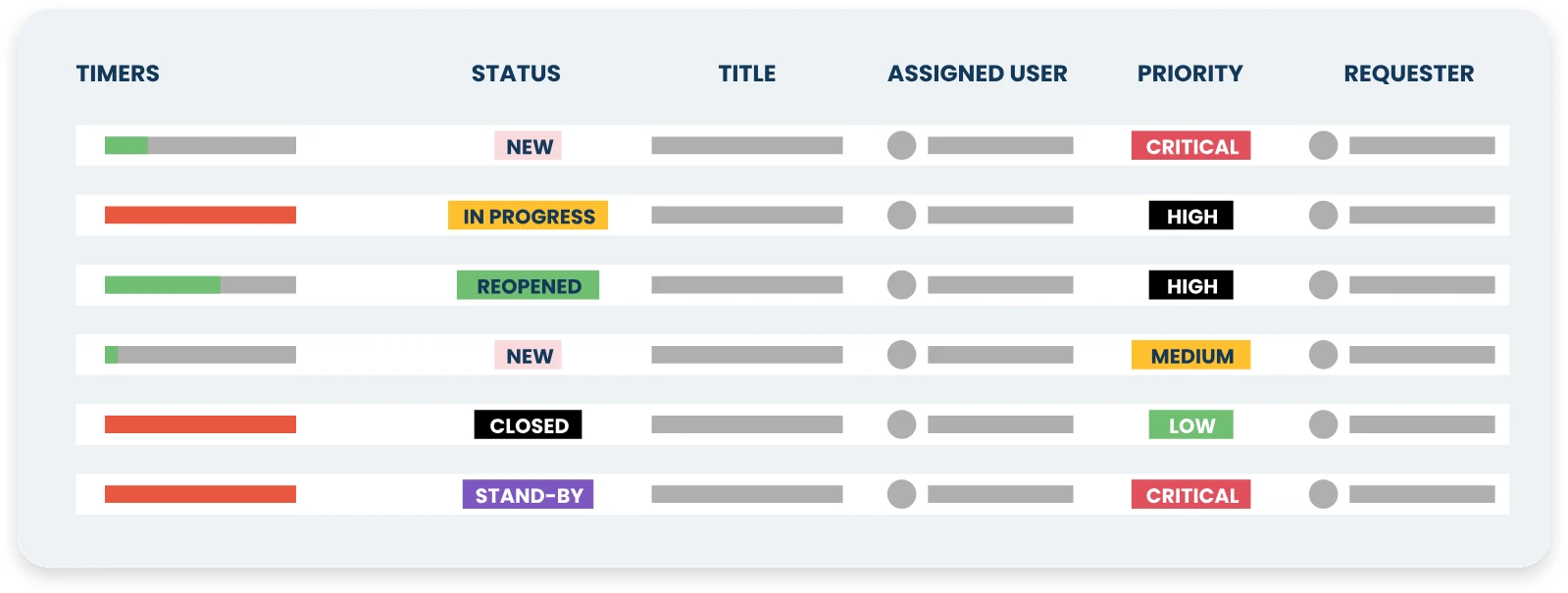
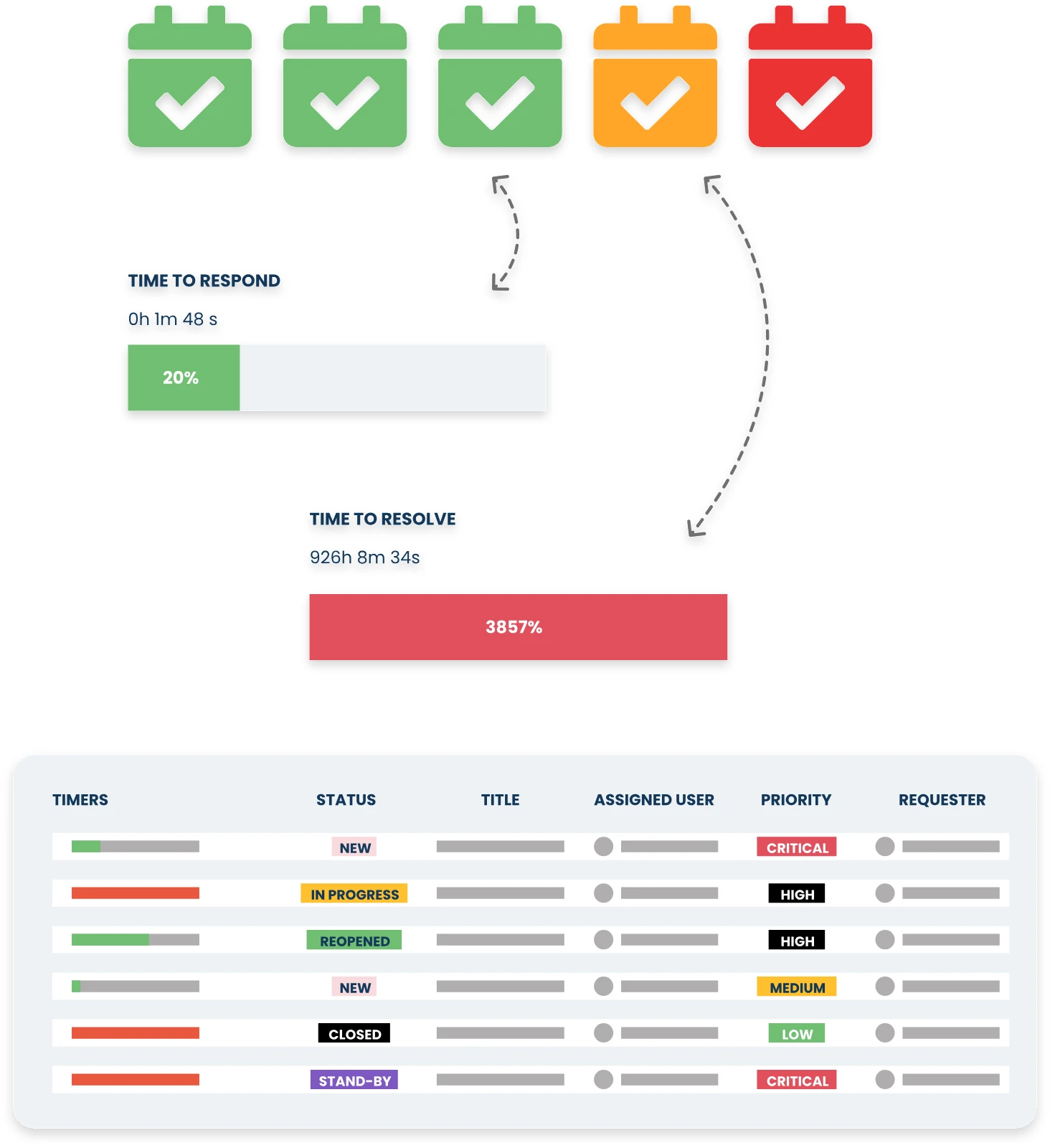
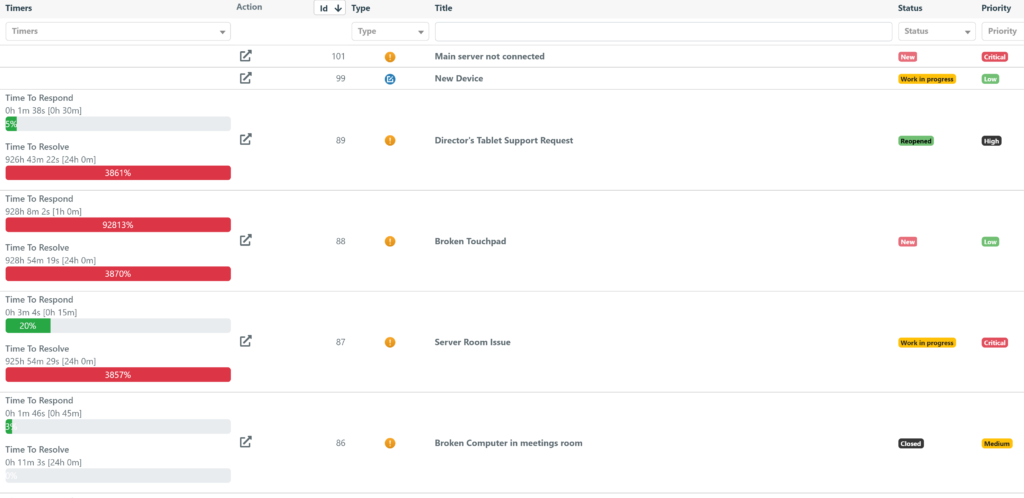
Reporting and Dashboards for Visualizing KPIs: Reporting and dashboards provide a visual representation of service performance and allow both parties to track progress against the SLA targets. These tools help ensure transparency and provide a basis for discussions about service improvement.
Processes for Periodic Review and Continuous Improvement: Periodic reviews of SLAs help ensure that they remain relevant and aligned with the client’s needs. These reviews may involve evaluating service performance, identifying areas for improvement, and updating the SLA terms as needed.
Management of SLA Violations and Penalties: SLAs should include provisions for managing violations and imposing penalties if service levels are not met. These provisions help ensure accountability and provide an incentive for service providers to meet the agreed standards.
Common Challenges in SLA Management and How to Overcome Them
Managing SLAs can be challenging, especially in complex environments with multiple service providers.
Balancing Cost and Service Quality
One of the biggest challenges in SLA management is balancing cost and service quality. Service providers may be tempted to cut costs by reducing service levels, but this can lead to dissatisfaction and damage relationships with clients. To overcome this challenge, service providers should focus on delivering value and ensuring that services meet the client’s needs.
Managing SLAs in Multi-Vendor Contexts
In multi-vendor environments, managing SLAs can be complex. Different vendors may have different service levels and performance metrics, making it difficult to ensure consistency and alignment. To overcome this challenge, organizations should establish a clear framework for managing SLAs across vendors and ensure that all parties are aligned with the client’s objectives.
Benefits of Using Deepser for Service Level Agreements
Deepser is a powerful tool for managing SLAs and ensuring that service levels are maintained.
Automated Emails to Avoid Breaching a Service Level Agreement
Deepser automates the process of sending email notifications when service levels are at risk of being breached. This helps ensure that issues are addressed promptly and that service levels are maintained.
Different Service Level Agreements for Each Client Contract
Deepser allows organizations to create different SLAs for each client contract, ensuring that service levels are tailored to the specific needs of each client.
Service Level Agreements Paired with Devices
Deepser allows organizations to associate SLAs with specific devices, ensuring that service levels are tailored to the criticality of each device. For example, a shorter SLA can be set for critical devices such as servers.
Conclusion
Service Level Agreements are a crucial tool for ensuring that services meet the agreed standards and that both parties have a clear understanding of their responsibilities.
By establishing clear expectations and performance metrics, SLAs help ensure transparency, accountability, and measurability of service performance. With the right tools and practices, organizations can effectively manage SLAs and achieve continuous service improvement.
If you are looking to implement or improve your organization’s SLAs, you can put Deepser to the test by starting a free demo from the button below.