

Digitalization is back among Italy’s economic priorities for 2027. The draft Budget Law introduces new incentives for investments in cloud software, recognizing the role of digital technologies in modernizing businesses and improving productivity.
The proposal comes at a time when many organizations have already invested in digitalizing their services but still face challenges around operational efficiency. The focus therefore shifts to companies’ ability to make the most of the technologies they have adopted and achieve measurable results from their IT investments.
You might also be interested in:
6 enterprise tech trends to watch in the second half of 2026
Productivity becomes a priority for digital investments
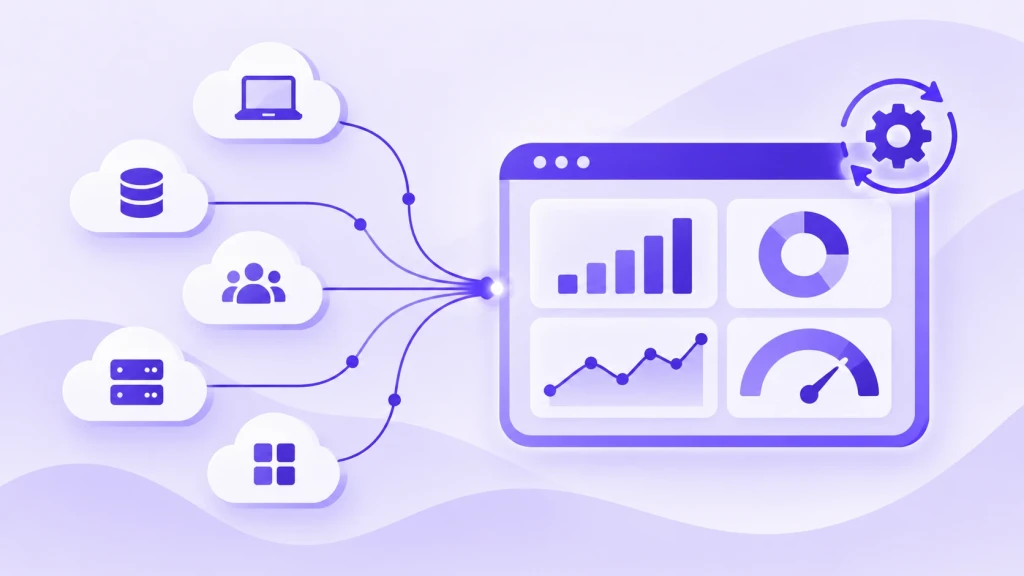
Adopting new technologies is only part of the digitalization journey. To have an impact on productivity, investments need to help reduce operational inefficiencies and improve the management of business processes. Even in organizations with a good level of digital maturity, poor integration between systems remains an obstacle to operational efficiency.
In Service Management, this need emerges above all in request management and in coordinating activities across different departments. Integrating platforms and automating workflows make it possible to cut down on manual work, improving process continuity. Productivity therefore also depends on using existing technologies more effectively and keeping an up-to-date view of business activities.
The 2027 Budget Law introduces new incentives for cloud software
The 2027 draft Budget Law provides a tax credit of up to 30% for eligible costs related to subscriptions to cloud software services and solutions. The measure sets a total allocation of 90 million euros over the 2027-2029 period, split into 30 million for each year. The goal is to support digital investments through a fiscal tool dedicated to technologies delivered in the cloud.
The proposal also responds to the evolution of software purchasing models. The spread of SaaS solutions has changed the composition of IT spending, increasing the weight of subscription services compared with traditional investments. These costs had been left out of certain relief mechanisms, such as hyper-depreciation, which follow a different logic. The new credit aims to close this gap, aligning public support tools with the way companies use digital technologies today.
What conditions the new tax credit sets
According to the text currently proposed, the relief will apply to eligible costs for the 2027, 2028 and 2029 financial years. The credit can be used only as an offset against taxes due and may be combined with other incentives for the same expenses, within the set limits. This means that the tax benefit will be used to offset the taxes owed, rather than paid out as a direct refund of the costs incurred. The 30% figure also represents the maximum limit set by the proposal. The categories of eligible software will be identified based on the regulatory references indicated in the bill. The benefit, therefore, will not automatically cover all cloud subscriptions.
The measure is not yet in force. The 2027 draft Budget Law, presented to the Chamber of Deputies on 30 October 2026, was assigned to the Budget Committee on 4 November for parliamentary review. It will therefore be necessary to wait for the final approval of the law and the subsequent implementing decree from the Ministry of Enterprises and Made in Italy, together with the Ministry of Economy and Finance. The decree, expected within 60 days of the law entering into force, will define the access conditions and the ways in which the credit is granted, taking into account the resources available for each year.
How cloud investments affect operational efficiency
Adopting cloud solutions gives companies new possibilities for integration and centralized service management, but the return on investment depends on how it is implemented. Having several SaaS applications, for example, does not automatically guarantee greater efficiency when information stays scattered across platforms that barely communicate with each other. In these cases, technological fragmentation can increase the operational load and make it harder to keep an up-to-date view of company resources.
For IT managers, it therefore becomes important to assess investments by considering their contribution to Service Management processes. Connecting asset management systems with cloud environments helps keep information up to date and improve control over resources. At the same time, automating recurring activities reduces manual work, while the use of operational KPIs makes it possible to verify the impact of the adopted solutions on management times and service quality.
The outlook for Italian digitalization in 2027
Introducing a tax credit dedicated to cloud software is a sign of the attention toward the technological modernization of Italian companies. The measure recognizes the importance of subscription-based digital services and could encourage new investments, while remaining subject to final approval and to the conditions that the implementing rules will set.
For organizations, 2027 is also an opportunity to review their technology priorities in light of productivity goals. The ability to integrate the adopted solutions and use operational data to improve service management will be decisive for achieving lasting results. From this perspective, incentives can financially support an optimization path in which the value of technology is measured through the actual improvements in business processes.
With the new incentives planned for 2027, this is the right time to plan your IT investments and choose Deepser for your organization. Our cloud platform combines artificial intelligence and automation to simplify service management across different business departments. Don’t put your projects off any longer. Seize this opportunity to optimize costs and boost your team’s productivity. Request a free demo or contact our team to learn more.