
ITSM: is the set of policies and practices for implementing, delivering and managing IT services to meet a company’s needs.
The main purpose of the ITSM approach is to enable and maintain optimal management of each individual IT resource in line with the company’s strategic goals.
All of this involves the need to define the correct recourse size, including processes, technologies, roles and skills. In defining the best strategy, it also outlines the roles and responsibilities of each person and department involved in IT services.
The main benefits to the organization are increased productivity, reduced business costs and improved Customer Satisfaction.
How ITSM Improves Service Delivery
With clearly defined procedures and structured workflows, ITSM enables companies to optimally handle user requests, reducing response times and increasing the productivity of the IT team. Requests are assigned to the appropriate departments in a systematic way, avoiding disorganized management and ad hoc responses.
Lower Support Costs
By automating processes and standardizing request handling, ITSM reduces the volume of requests and improves first-level support.
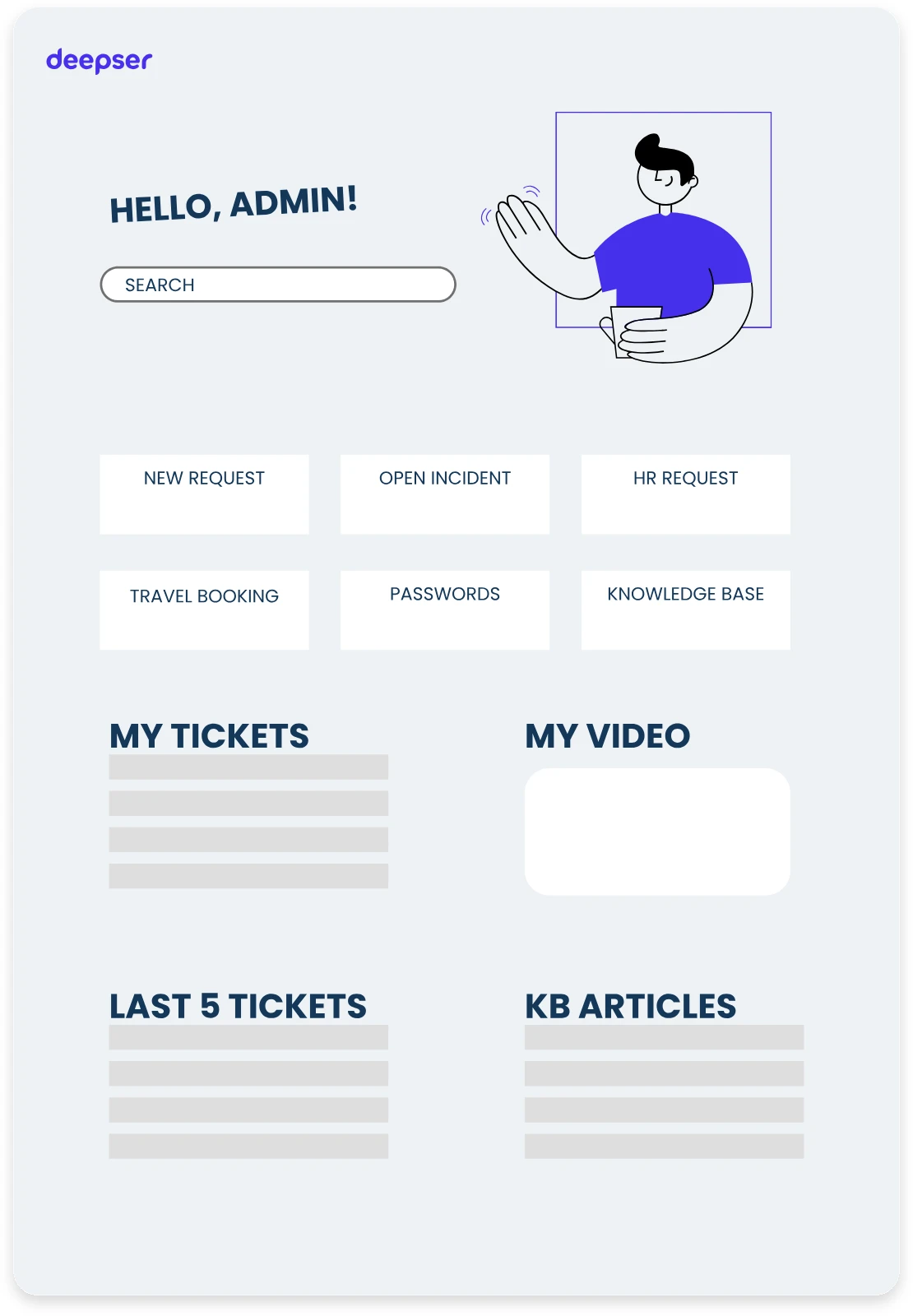
Users can access self-service portals and knowledge bases to find answers to common issues, reducing workload from IT support.
ITSM for Increased Visibility and Control
ITSM provides real-time monitoring and reporting tools that give stakeholders a clear view on the status of IT services.
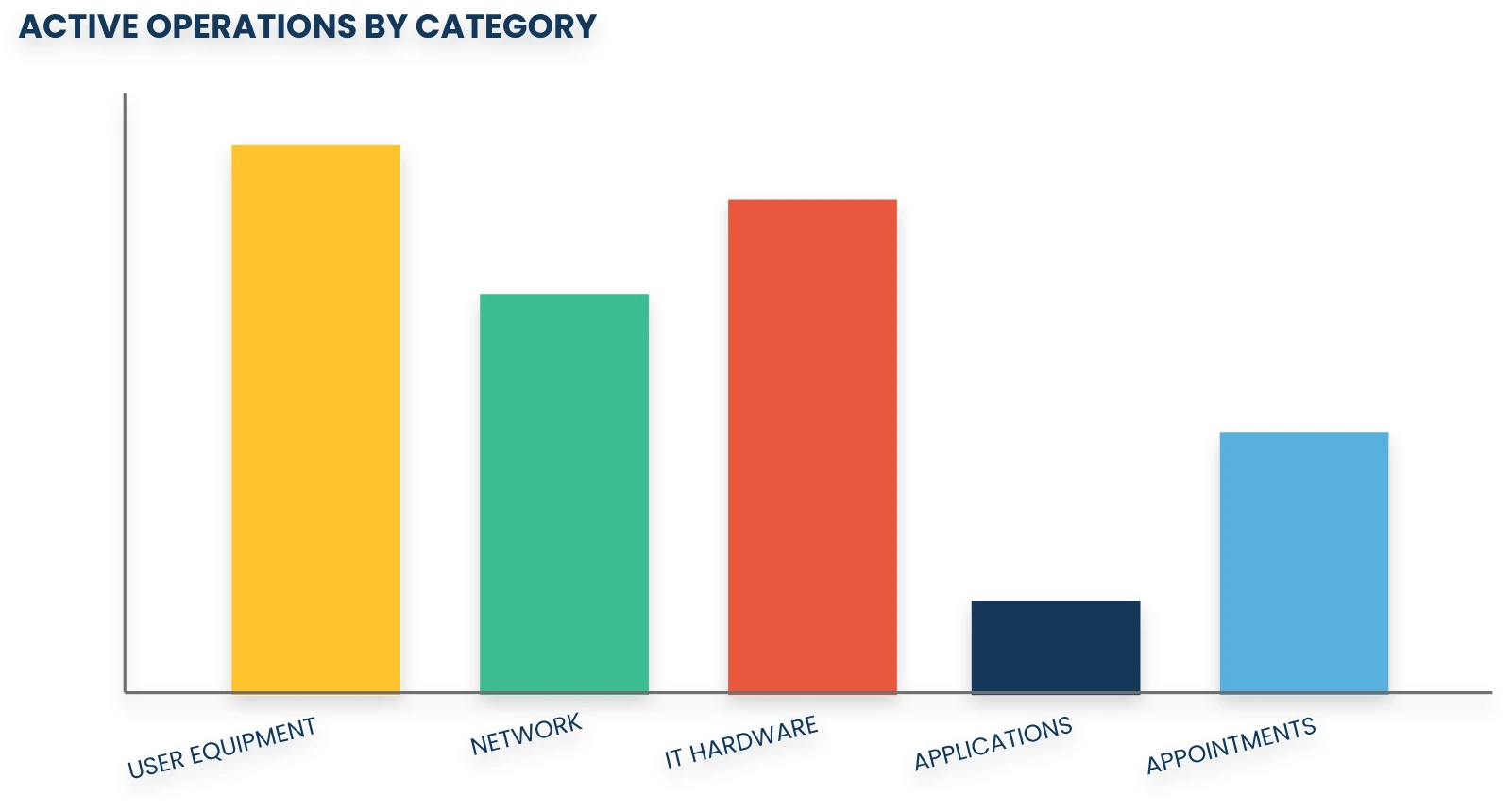
Intuitive Dashboards allow you to track performance, identify improvement areas, and ensure proactive management of IT resources.
Improved Standardization through ITSM
One of the key aspects of ITSM is process consistency. By following established protocols, companies can eliminate outdated practices and implement better processes, making it easier to manage IT activities and ensure compliance with industry best practices.
Improved User Experience with ITSM
An organized service desk and standardized procedures greatly improve the user experience. Users know exactly how to submit IT requests and what response times to expect, reducing frustration and uncertainty. This results in greater satisfaction and a more positive relationship between IT and the rest of the organization.
Greater Flexibility in IT Processes
ITSM enables organizations to adapt quickly to evolving technology and new business needs. With structured yet flexible management, organizations can respond to changes efficiently, reducing adaptation time and ensuring business continuity. The ability to adjust workflows and policies according to specific needs makes ITSM an indispensable tool to meet the challenges of a constantly changing tech environment.
The successful adoption of ITSM, therefore, not only optimizes IT service delivery, but is a winning strategy for companies that want to improve efficiency, transparency and user satisfaction.
ITSM Frameworks
Thankfully, there are well-established frameworks that provide practical guidelines to implement and optimize ITSM effectively. These blueprints help organizations standardize IT processes, improve governance, and ensure ongoing alignment with business goals.
Let’s take a look at the main ones:
ITIL (Information Technology Infrastructure Library)
ITIL is one of the most widely used frameworks in ITSM. Developed to provide a structured approach to IT service management, it helps companies improve operational efficiency, reduce costs and optimize service quality.
The latest version, ITIL 4, introduces a significant shift from previous versions, adopting an approach based on customer value and collaboration across IT teams. This update takes into account the requirements of digital transformation, enabling organizations to adapt faster to new technologies and work methodologies. To effectively implement these changes, many businesses are investing in corporate IT training, ensuring their teams are well-versed in ITIL 4 principles and can apply them to real-world scenarios with confidence.
DevOps
DevOps is not just a framework, but a true operating paradigm that promotes closer collaboration between software development and operations teams. The main goal is to improve the speed of software development and application deployment while reducing bugs and downtime. DevOps integrates tightly with ITSM, enabling companies to balance agility and control, therefore optimizing the quality of software and IT services.
COBIT (Control Objectives for Information and Related Technologies)
The COBIT framework was developed to help organizations ensure effective IT governance. It provides detailed guidelines for risk management, regulatory compliance and data security. Created by ISACA, COBIT is particularly useful for companies that operate in regulated environments.
MOF (Microsoft Operations Framework)
MOF is a comprehensive framework designed by Microsoft to support organizations in managing and optimizing IT services based on Microsoft technologies. Covering the entire lifecycle of IT services, MOF provides tools and methodologies to improve service quality and reduce operational risks.
Due to its integration with the Microsoft ecosystem, this framework is particularly suitable for organizations using solutions such as Azure, Office 365 and other Microsoft products.
ITSM processes and best practices
ITSM is not limited to reactive management of issues and requests, but represents a strategic and comprehensive approach to manage IT resources and business processes.
The main purpose is to integrate these with business needs, ensuring structured and results-oriented management. ITSM processes are designed to work in synergy with different business areas, supporting organizational strategies and improving overall efficiency.
Some of the most common benefits include:
Incident Management
An unforeseen event that disrupts the operation of a service is defined as an incident. The incident management process focuses on resolving the issue timely, minimizing the impact on users and business operations, therefore ensuring business continuity.
Problem Management
Is the process of identifying and managing the causes of incidents within an IT service. Problem management is not only about recognizing and resolving critical issues, but also about identifying and understanding the causes and their best resolution so that the problem does not reoccur.
Change Management
Change management is an IT practice designed to minimize the impact associated with changes to the IT Infrastructure. Those changes carry risks to IT Services when not handled properly
Change management practices reduce contingencies, meet standards, and ensure efficient and timely changes to IT infrastructure and code.
Service Catalog
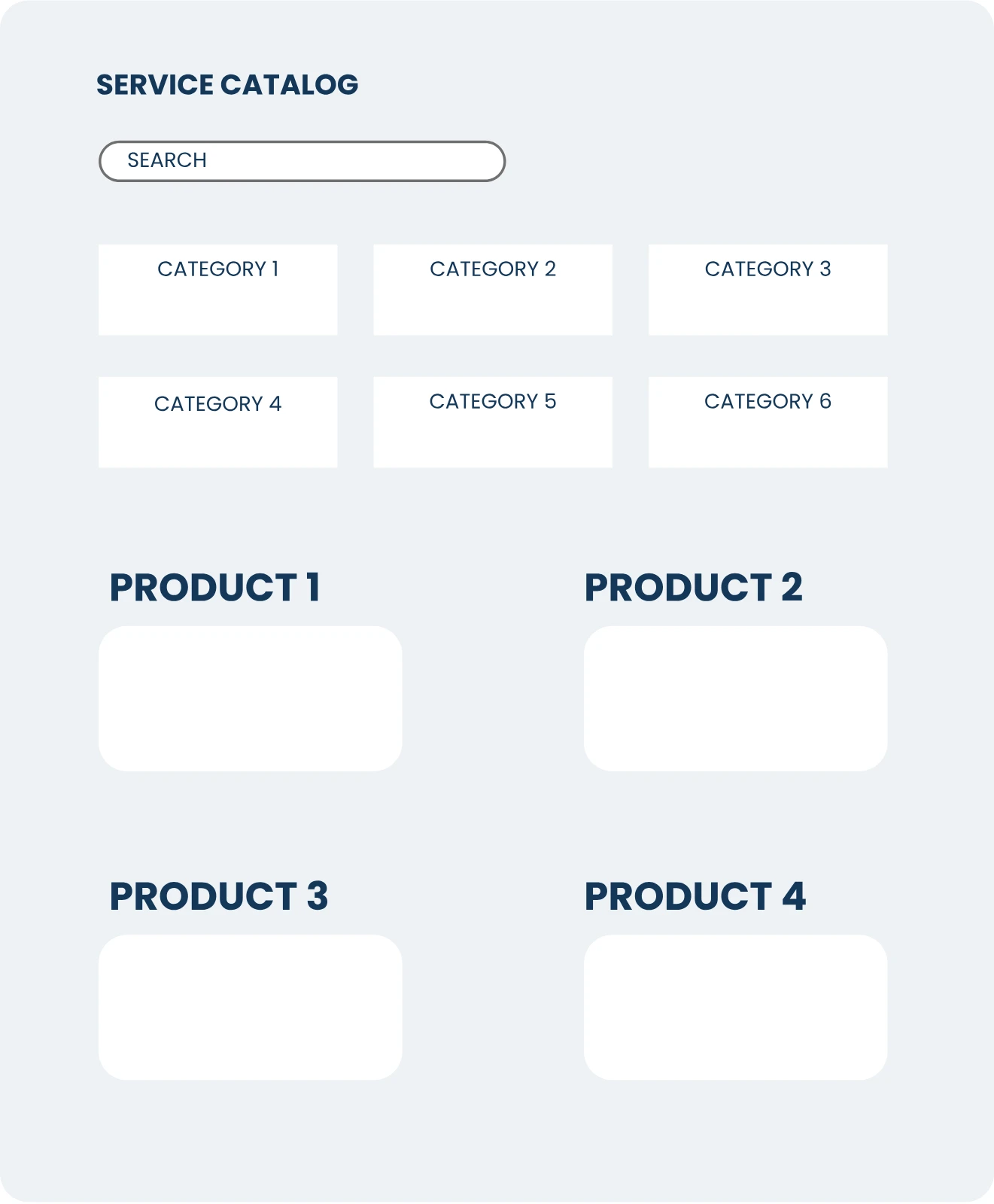
A service catalog is a structured list of IT solutions available to users in an organization, accessible through an intuitive interface, such as a portal or dedicated menu. This tool facilitates the management of support requests, enabling users to quickly locate the services they need and simplifying the request and support process.
Knowledge management
KM is the process of identifying, organizing, creating, sharing, using and storing information about a company’s products, services or topics.
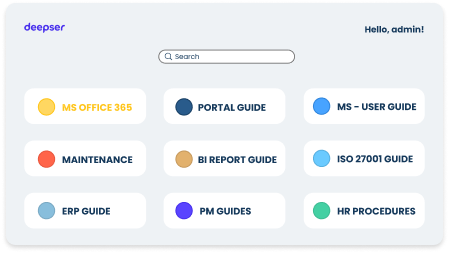
Knowledge management is based on the use of a Knowledge Base, which is a fundamental pillar for the organization and diffusion of information. This process enables effective use of corporate know-how, facilitating access to information in all departments and improving operational efficiency.
IT asset management
Also known as ITAM, IT Asset Management concerns the process of analyzing the costs, maintenance, and life cycles of IT assets.
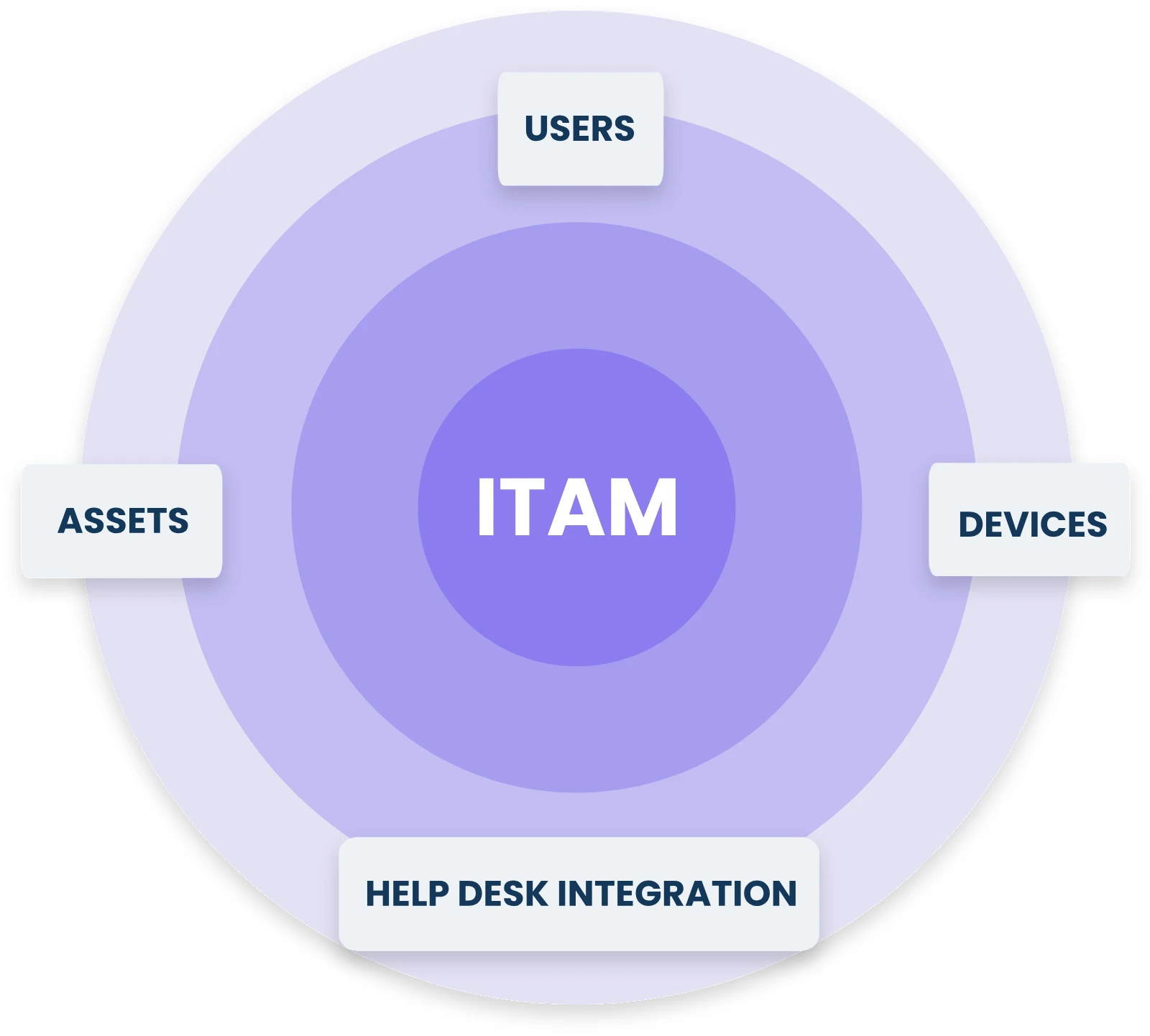
IT resource management is a process, executed regularly by teams in response to changes in resources, goals, tools.
Includes key aspects: asset inventory, life cycle tracking, monitoring, maintenance, and financial planning for effective management.
IT Service Desk
In the ITSM context, an IT Service Desk is the main point of contact for handling and resolving incidents, issues and user requests. Unlike a traditional help desk, certain service desk also handle software license management, coordination with external service providers, contract and cost oversight, as well as provide access to self-service portals and a knowledge base for users
Enterprise Service Management
Enterprise service management, refers to the expansion of traditional IT service management (ITSM) principles to enable better integration between service delivery and business objectives.
To make the concept clearer, an example of ESM is the creation of a service desk that can be leveraged by all members of the organization. ESM is based on IT workflows in order to better manage the demand and distribution of services through a dedicated tool.
This aspect becomes crucial in managing any modern business.
Service Level Management
Service level management is about establishing, monitoring and overseeing the agreements that govern the quality and reliability of a service. A Service Level Agreement (SLA) establishes the standards to be guaranteed to users, specifying the provider’s commitments and any corrective measures in the event of failure to meet agreed parameters.
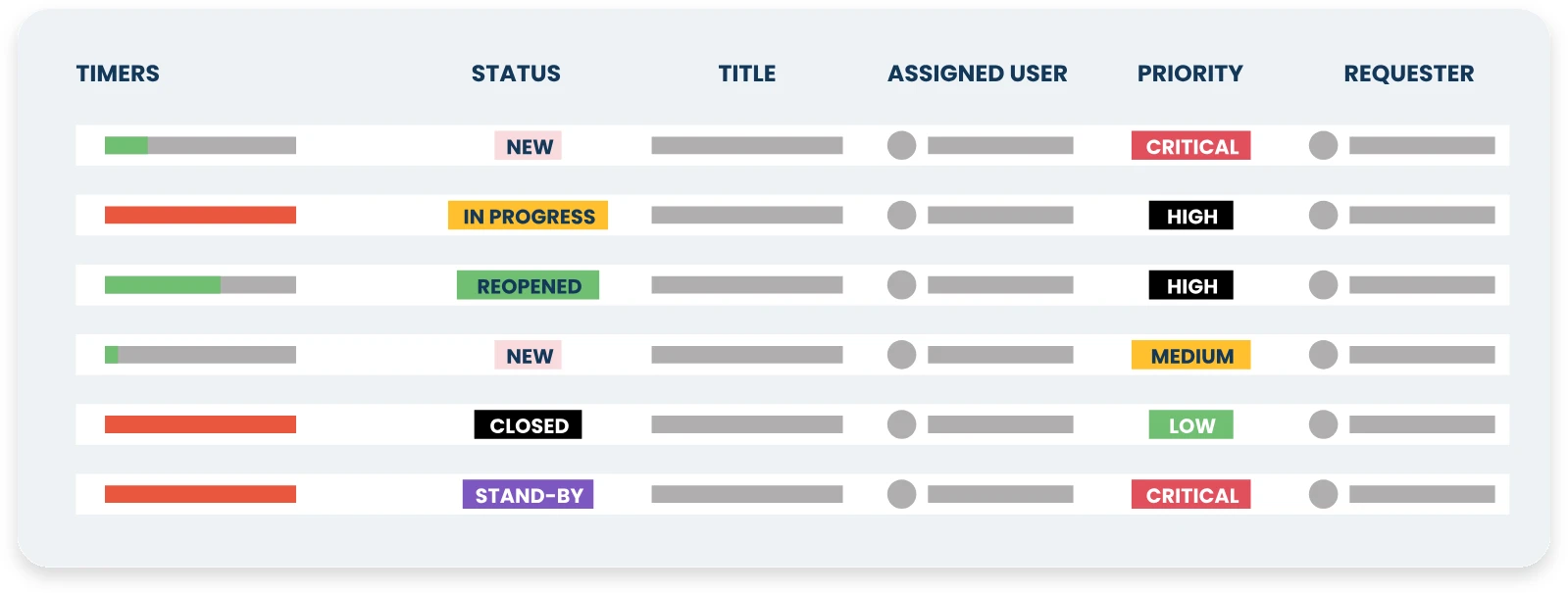
Deepser as your strategic ITSM partner!
As stated earlier, ITSM software enables IT teams to align with business needs and take a strategic approach to change, transformation, and growth.
Deepser is a modular and scalable ITSM software that gives you the right tools, at a fair price, to be able to better manage your IT infrastructure and beyond.
For more information try our free demo! (Credit card not required)