The IT Manager is the central pillar that combines technology and human talent to drive change within organizations, promoting the adoption of new technologies that improve operational efficiency and foster growth. Through his ability to integrate diverse skills and resources, he or she helps create a dynamic and resilient work environment that can meet the challenges of the future with creativity and determination. In an increasingly technology-driven world, the importance of the IT Manager is growing.
Introduction to the IT Manager role
The IT manager not only oversees IT systems and ensures their proper functioning but, works closely with business leaders to align technology solutions with business growth and efficiency goals.
Driving innovation requires insight and courage, which is why the IT manager is responsible for identifying opportunities for improvement, whether through adopting new technologies or optimizing existing ones in order to keep the organization competitive over time.
Importantly, the IT manager never acts alone, but leads a team of experts by cultivating a stimulating and collaborative work environment. By supporting capable professionals and ensuring that their skills are always aligned with cutting-edge strategies and technologies, in doing so, the IT manager paves the way toward business success.
Main responsibilities of the IT manager
As we have seen, the IT manager plays a key role, but what are his responsibilities?
Key responsibilities include continuously monitoring that hardware, software and networks are operating efficiently while protecting corporate data from potential threats. In addition, the IT manager. especially in smaller entities, provides technical support to employees, develops customized software, and manages data to define strategic decisions.
Below are some of the most common responsibilities of the IT Manager:
| Accountability of enterprise IT | Description |
|---|---|
| Infrastructure management | Ensure the efficient operation of enterprise hardware, software, and networks. |
| Information security | Protect corporate data and systems from cyber threats and attacks. |
| Technical Support | Provide assistance to employees in solving technical and operational problems. |
| Software development | Create and maintain custom applications and systems developed for the company. |
| Data Management | Organize, store, and analyze data to support business decisions. |
| Resource planning | Optimize the use of technology resources to support the company’s strategic goals |
| Technological innovation | Identify and implement new technologies to improve business processes. |
| IT project management | Plan, execute, and monitor IT projects to ensure their success. |
| IT department Coordination | Manage a team of specialized IT staff, ensuring that skills and resources are properly deployed to support business operations and promote innovation. |
Infrastructure management
The IT manager is responsible for ensuring the efficient operation of the company’s technology infrastructure. This includes overseeing hardware, software and networks, ensuring that all components operate smoothly to support the day-to-day operations of the company. Infrastructure management requires careful planning and regular maintenance to prevent disruptions and optimized performance.
Information security
Protecting corporate data and systems from cyber threats and attacks is a top priority. The IT manager implements advanced security measures to safeguard sensitive information and maintain the integrity of business systems. This includes adopting firewalls, intrusion detection systems, data encryption and strict access policies. In addition, the IT manager must stay up-to-date on the latest security threats and trends, training staff to recognize and respond effectively to potential attacks.
Technical Support
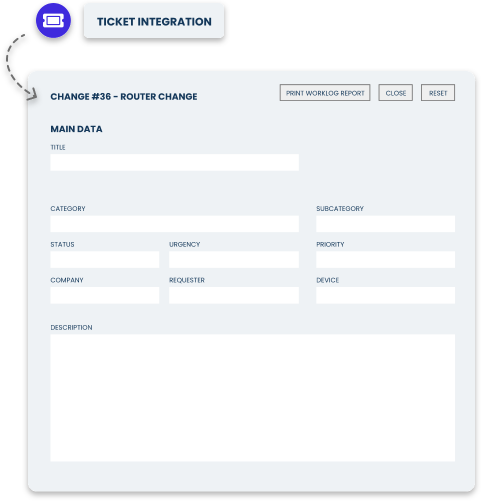
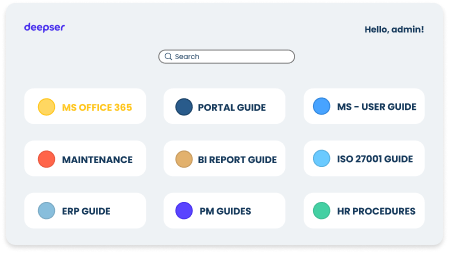
Providing technical support to employees is essential to quickly resolve technical and operational problems. The IT manager coordinates technical support to ensure that staff can work efficiently and without interruption. This involves using a ticketing system to handle support requests, a user portal to collect them, and very often a knowledge base to facilitate the resolution of common requests. Other activities include, organizing training sessions to improve user skills and implementing proactive solutions to minimize downtime.
Software development
Creating and maintaining custom applications and systems is critical to meeting specific business needs. The IT Manager leads the software development process, ensuring that solutions are aligned with business objectives. This includes managing the software lifecycle, from requirements gathering to design, development, testing and implementation. The IT Manager collaborates with stakeholders to ensure that the applications developed improve operational efficiency and deliver value to the business.
Data Management
Data organization, storage, and analysis are crucial to making strategic decisions. The IT manager manages business data, ensuring that it is accessible and usable to improve operations and planning. This involves implementing data management systems, which verify the integrity of the data. Effective data management enables the company to make informed decisions and maintain a competitive advantage.
Resource planning
Through the analysis of market trends and internal needs, the IT manager accurately sets investment and development priorities, ensuring that the company is always ready to seize new opportunities.
Technological innovation
Identifying and implementing new technologies is essential for improving business processes. The IT manager should be constantly updated on the latest technological developments and new solutions on the market. This requires continuous research and evaluation of emerging technologies, as well as collaboration with other departments to integrate new solutions into existing processes. The IT Manager must also foster a culture of innovation within the company by encouraging staff to come up with innovative ideas and solutions.
IT project management
Project management is the focal point of business innovation, where strategies and solutions come together to achieve real results. An IT Manager, with his or her experience and expertise, guides each project with a clear and determined vision, ensuring that all phases of the lifecycle are met with precision. To do this, the IT Manager very often uses Project Management Software, which allows planning from the initial stages through final implementation, in this way the manager coordinates resources, time, and budget, while always maintaining a focus on business needs and predetermined objectives. This approach ensures not only project success, but also the optimization of processes and changes for continuous improvement. Technology project management also requires high communication and leadership skills to inspire and motivate teams to do their best at every stage.
Coordination of the IT department
The IT Manager is responsible for managing a team of specialized IT staff, ensuring that skills and resources are properly deployed to support business operations and promote innovation. This includes selecting and training staff, defining roles and responsibilities, and creating a collaborative and motivating work environment. The IT manager must also facilitate communication between the IT department and other business departments, ensuring that technology needs are understood and met effectively.
Key competencies for a successful IT manager
A successful IT manager must possess a mix of technical and soft skills. Problem solving, leadership and communication skills are a must. Managing diverse teams and conveying innovative visions requires empathy and a strong decision-making component.
A skillful IT manager knows how to calculate technological risks and opportunities, facing challenges with a forward-looking approach, turns complex problems into feasible projects.
Technical knowledge required
Underlying the success of an IT manager is a wide range of technical skills. Being proficient in networks, operating systems, and IT security are key skills to ensure data protection and the proper functioning of business systems. In addition, he or she must have in-depth knowledge of programming languages and database management skills, thus ensuring a solid and reliable technology infrastructure.
As mentioned earlier, it needs to be constantly updated on the latest technologies and trends in the industry. This includes, for example, an understanding of cloud solutions and artificial intelligence, elements that are rapidly transforming the IT landscape.
Leadership and team management skills
An IT manager must excel at leading and motivating his or her employees, creating a productive and harmonious work environment. Some of the characteristics an IT manager should possess are:
- Effective communication: an essential skill for conveying clear objectives.
- Strategic vision: ability to outline a long-term growth path.
- Empathy and listening: critical to understanding and resolving team needs.
- Problem-solving: problem-solving skills with innovative solutions.
- Flexibility: ability to adapt quickly to changes and lead the team through changes.
These skills ensure a cohesive and resilient team.
Risk assessment and implementation of protective measures
An IT manager excels at identifying potential vulnerabilities to prevent cyber threats, ensuring the organization’s business continuity.
- Threat identification: analyze potential industry-specific sources of risk.
- Impact assessment: determining the potential consequences of security breaches.
- Vulnerability mapping: identifying weaknesses in existing systems.
- Development of mitigation strategies: creating plans to minimize the impact of risks.
- Continuous monitoring: implement regular checks to detect new emerging risks.
Early identification of threats enables the development of proactive and robust defense strategies.
Staff training on IT security
Staff training on IT security is crucial to ensure the security of the enterprise IT infrastructure. Therefore, activities such as:
- Outreach: Getting employees involved in safety practices.
- Regular updates: Provide ongoing training on new threats and technologies.
- Practical exercises: Simulate real situations to improve readiness.
- Company policies: Clarify employee expectations and responsibilities.
- Feedback and evaluation: Gather opinions on courses for targeted aid.
A well-trained team helps reduce the risk of breaches by protecting corporate data and infrastructure.
How does one become an IT manager?
Becoming an IT manager requires dedication, expertise and a thorough understanding of emerging technologies. Aspirants must start with a solid academic foundation, often obtained through a bachelor’s degree in Computer Science or Engineering, supplementing it with specialized courses in technology management.
To excel in the role, it is essential to accumulate field experience in positions such as “systems analyst” or “IT manager.” An approach of continuous learning must be adopted by attending seminars, industry conferences or webinars. Over time, the ability to lead complex projects and develop innovative strategies becomes critical; this translates into mastering both technical and managerial skills. The road to success is traced by a passion for technology and the ability to turn challenges into growth opportunities for the entire organization.
Study path of an IT manager
Becoming a successful IT manager begins with a degree in Computer Science or Engineering. These academic paths provide the technical foundation needed to navigate the ever-changing world of technology.
Once they complete their degree, many choose to specialize further in more specific areas such as cyber security or take postgraduate or master’s courses in project management, technology management or business administration.
At this point, practical experience becomes crucial. Internships and university projects provide opportunities to apply theoretical knowledge to real-world cases, especially in the corporate environment.
IT managers must continually update themselves through technical certifications and professional training courses. This commitment demonstrates their dedication to continuous improvement and understanding of new technologies.
Finally, having a global vision and adapting quickly to technological and organizational changes is crucial to success. With commitment and dedication, one can become a successful leader in IT management.
Essential tools for the IT manager
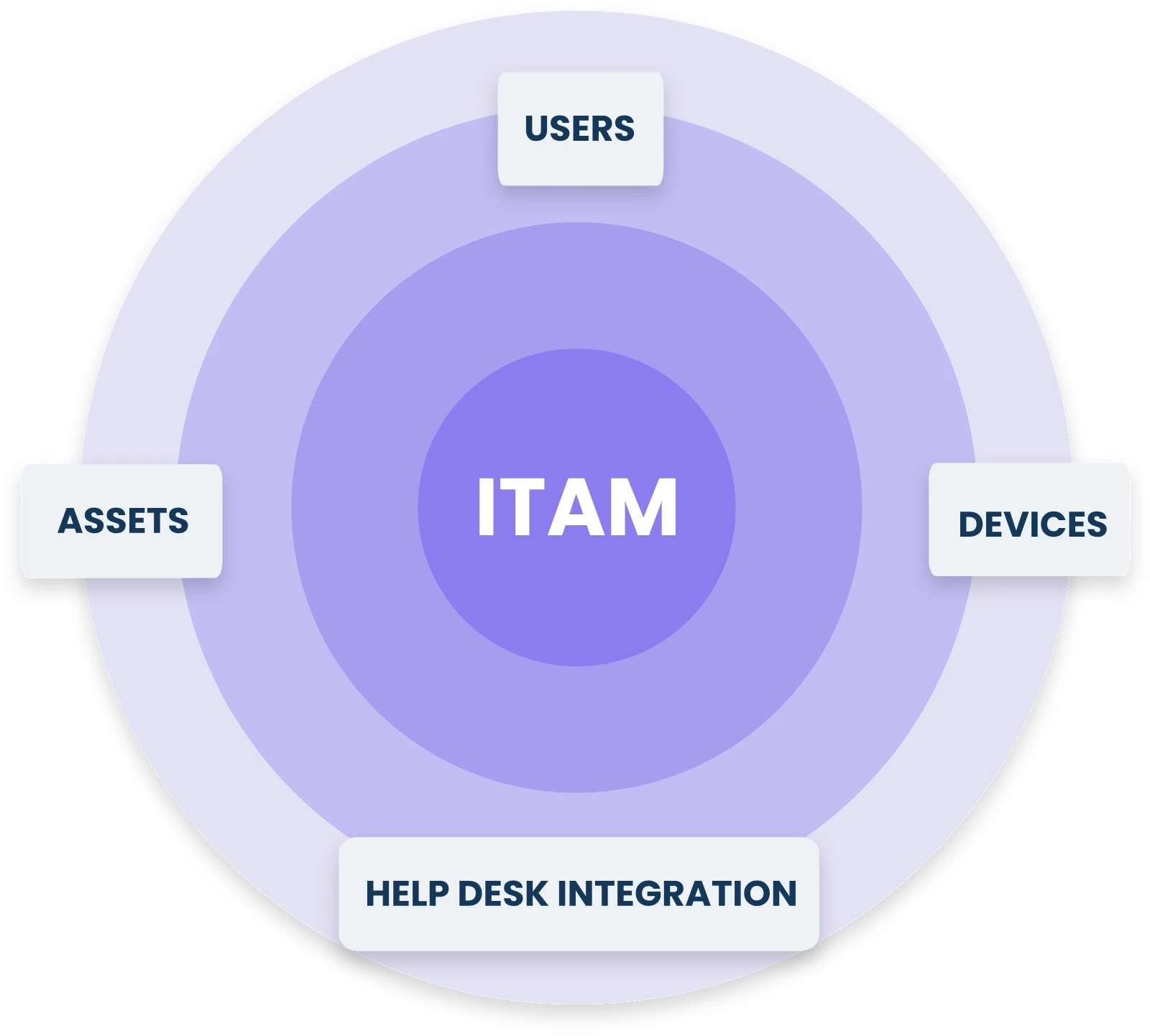
Every IT manager must master robust and scalable tools that can optimize complex processes. IT asset management platforms, network monitoring systems, and cybersecurity software are critical to ensure operational effectiveness and data protection.
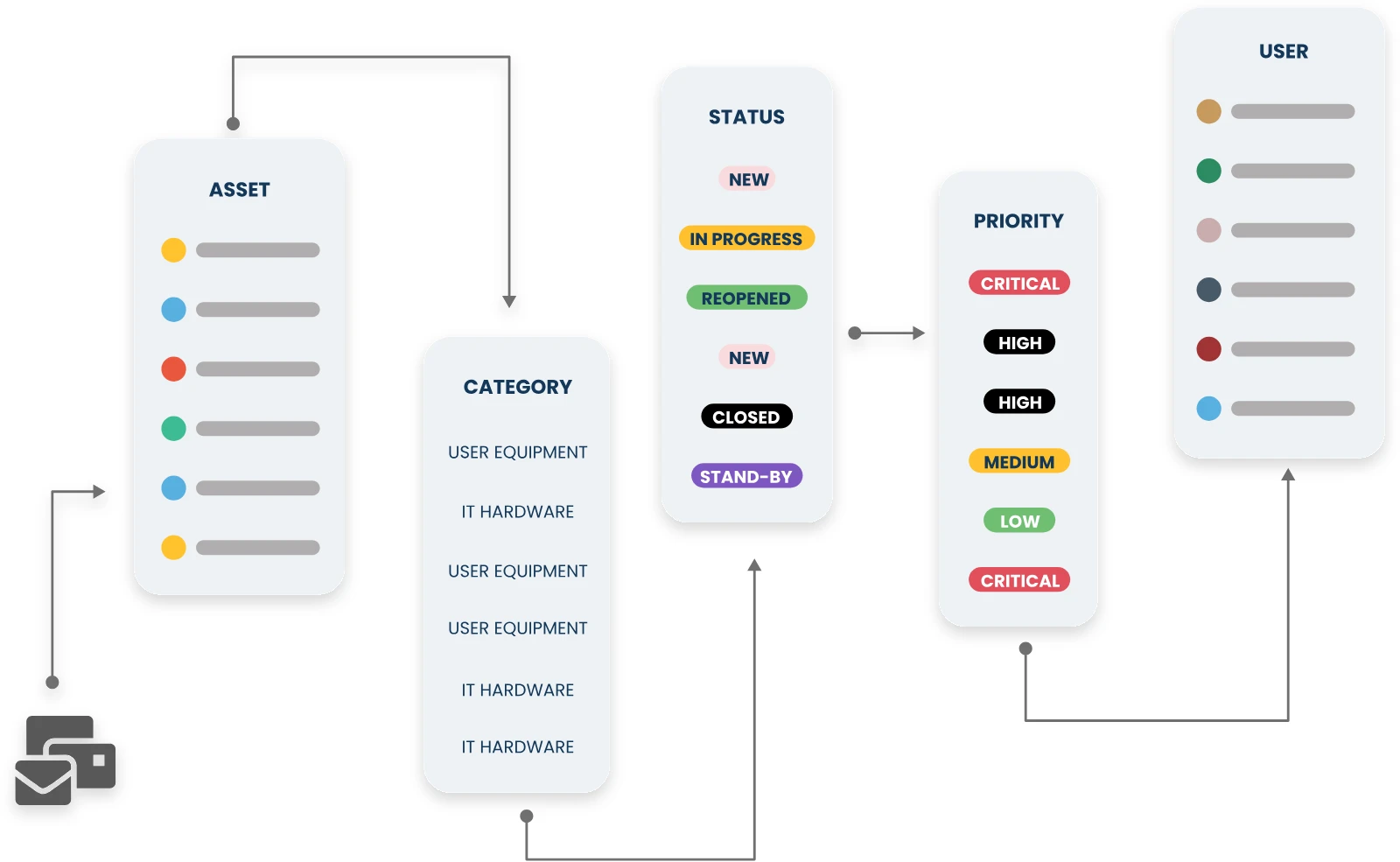
In a world increasingly dominated by automation, the ability to effectively manage IT processes is critical. Automating repetitive tasks, such as handling employee device maintenance requests, enables IT managers to streamline workflows and reduce response times. By using advanced workflow management software, companies can ensure that requests are addressed and resolved efficiently, improving productivity and employee satisfaction. This automation not only frees up valuable resources, but also allows them to anticipate and respond to changing business needs with a clarity that inspires confidence and spurs innovation.
Project management software
Project management software is an indispensable tool for the modern IT manager.
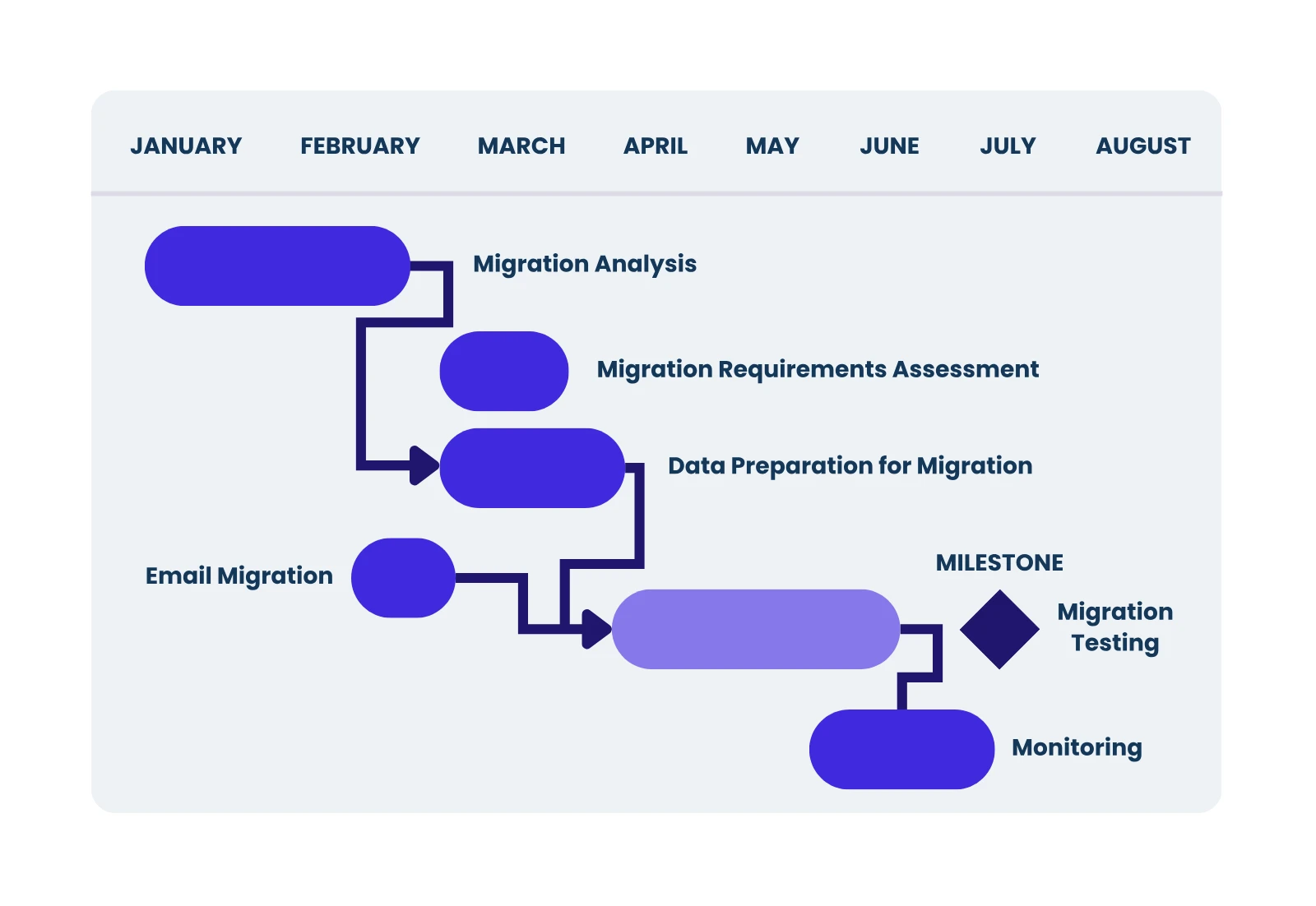
These tools, masterfully used by the IT manager, enable better coordination of disparate teams, optimizing workflow and enabling each member to contribute significantly to the success of a project. With the software, management becomes more agile, and deadlines can be met more accurately. Operational efficiency is greatly enhanced as a result, ensuring vibrant synergy among all parties involved.
In addition, project management software provides a clear picture of overall progress. Data transparency enables decision-making agility and timely identification of priorities, facilitating effective control of resources.
In an ever-changing business environment, the IT manager finds these tools a valuable ally in effectively orchestrating complex and diverse projects through advanced project management practices.
Network monitoring solutions
Network monitoring solutions are essential tools for ensuring optimal performance and security in enterprise information systems. They enable:
- Traffic monitoring to identify bottlenecks.
- Real-timeperformance analysis.
- Detection of anomalies to prevent attacks.
- Detailed reports to improve efficiency.
Implementing these solutions is critical to anticipating and solving problems before they occur.
Career prospects for an IT manager
A talented IT Manager finds fertile ground for increasingly promising professional opportunities in today’s market. With the growing importance of technology in business strategies, IT managers’ skills are highly sought after.
Career options in this field are varied and range from positions such as Chief Information Officer (CIO) and Chief Technology Officer (CTO). Each of these roles requires an increasing level of responsibility and strategic vision.
Conclusion
The IT manager is critical in the business landscape; his or her contribution should not be underestimated.
He not only leads the implementation of cutting-edge technologies, but also ensures that they are aligned with the company’s strategic goals contributing to business success.